Eco-Friendly Removals in Watford: Recycling & Donation Tips
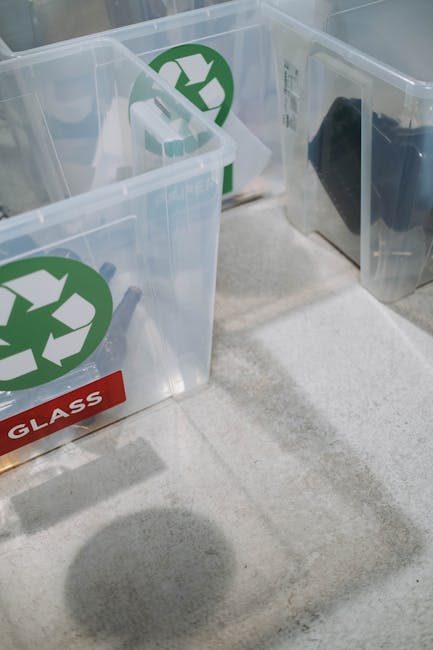
Moving house or relocating a business is rarely tidy. Boxes pile up, drawers are full of things you forgot you owned, and suddenly you're staring at a kettle, a sagging chair, three chargers for devices you no longer have, and a small mountain of "maybe keep" items. That's where Eco-Friendly Removals in Watford: Recycling & Donation Tips really earns its keep. A greener move is not just about feeling virtuous. It's about reducing waste, saving time, and making the whole process less chaotic.
In Watford, the practical side matters too. A well-planned move can keep usable items in circulation, reduce the amount sent to disposal, and help you avoid that last-minute scramble when the van is already outside. This guide walks through how eco-friendly removals work, what can be donated or recycled, which mistakes to avoid, and how to make sensible decisions without overcomplicating things. Let's face it, moving is already enough of a headache.
Why Eco-Friendly Removals in Watford: Recycling & Donation Tips Matters
Eco-friendly removals are really about making better choices with the things you no longer need. Instead of treating a move like a giant clear-out to the nearest bin, you sort items for reuse, donation, recycling, and disposal in a more considered way. That sounds simple, but in practice it can make a huge difference.
First, there's the obvious environmental angle. Furniture, appliances, textiles, cardboard, and packaging materials all have a footprint. When items are reused or recycled rather than thrown away, fewer materials end up as waste. Second, there's the emotional side. If you know a decent sofa, bedside table, or coat is going to someone who can use it, the whole moving process feels a bit lighter. Oddly enough, that helps.
Then there's the local reality. In a busy town like Watford, moving days can be tight on time and parking, and nobody wants a van full of unwanted clutter hanging around longer than necessary. A greener removals plan helps keep the move efficient. It also supports better organisation, especially if you're dealing with a family house, a rental handover, an office clear-out, or a downsizing move.
There's another reason it matters: waste decisions made in a rush are often poor ones. The "just get rid of it" approach can lead to overspending, unnecessary landfill waste, or items being damaged when they could have been passed on. A more thoughtful process avoids that. Not perfectly, maybe, but noticeably.
For many people, the real value of eco-friendly removals is balance: less waste, less stress, and a move that feels tidier from start to finish. If you've ever opened a cupboard two days before moving and thought, "How on earth did all this get here?", you're not alone.
How Eco-Friendly Removals in Watford: Recycling & Donation Tips Works
The process usually starts before moving day, ideally a week or two earlier if you can manage it. You sort your belongings into simple categories: keep, donate, recycle, sell, and dispose. That basic structure stops everything becoming one giant pile in the hallway. From there, each category gets its own next step.
Keep items are packed as normal. Donate items should be clean, safe, and in usable condition. Recycle items need to be separated according to local recycling rules or accepted waste streams. Sell items are usually still in good shape but have enough value that passing them on privately makes sense. Dispose is the last resort for anything broken, contaminated, or not suitable for reuse.
In a practical moving setup, the removals team may help you identify bulky items, separate reusable furniture, and remove packaging waste efficiently. Some customers like to have a separate "donation zone" in one room and a "recycling pile" in another. It sounds almost too organised, but it works. One labelled box at a time, and the mess becomes manageable.
There's also a timing element. Donation collections, recycling runs, and disposal arrangements should happen in a sensible order so you do not end up with items moved twice. For example, if a wardrobe is being donated, it should ideally leave directly from the property rather than being moved into storage and then out again. That just creates extra handling and extra emissions for no good reason.
Small details matter here too. Flattened cardboard is easier to handle. Clothing bundled together is easier to donate. Appliances should be emptied and, where relevant, disconnected safely in advance. If you're moving from a home with a loft, garage, or spare room, those forgotten corners are often where the biggest opportunities hide.
And yes, it's worth being realistic. Not everything can be reused. A water-damaged mattress, a cracked mirror, or a broken chair may need separate disposal. Eco-friendly does not mean pretending waste does not exist. It means dealing with it properly and with less throwaway thinking.
Key Benefits and Practical Advantages
The most obvious benefit is reduced waste. Items that still have useful life left can be passed on, while recyclable materials are kept out of the general rubbish stream where possible. That's the headline, but there are some very real practical advantages too.
- Less clutter on moving day: A leaner load is easier to pack, carry, and unload.
- Better use of space: Removing unwanted items ahead of time frees up boxes, corridors, and doorways.
- Lower stress: Decisions are made in stages, not in a panicked burst at the end.
- Potential savings: Fewer unnecessary items to move can reduce labour and vehicle space needs.
- Cleaner handover: Donation and recycling keep the property tidier before keys are handed over.
There's also a satisfaction factor that people often underestimate. When your move includes proper recycling and donation, the whole process feels more deliberate. You are not simply shifting possessions from one postcode to another. You are making decisions, which sounds a bit grand, but it's true. The move becomes less about stuff and more about what you actually need.
For landlords, tenants, homeowners, and business owners, that can be especially helpful. A cleared office, for example, is easier to present for inspection or refurbishment. A family home is simpler to stage for sale or let. And a smaller load often means fewer surprises on the day. Fewer surprises is good. Always.
Who This Is For and When It Makes Sense
Eco-friendly removals are not only for people who already think in recycling categories. They make sense for anyone who wants a smarter, calmer move. If you're in Watford and facing a house move, flat move, office relocation, probate clearance, downsizing project, or end-of-tenancy handover, this approach is worth considering.
It's especially useful if:
- you've lived somewhere for years and accumulated more than you expected
- you want to donate usable furniture or household goods rather than throw them away
- you're moving on a tight timeline and need the process broken into manageable stages
- you're trying to reduce waste from packaging, broken items, and old household clutter
- you need to clear a property responsibly before sale, rent, or refurbishment
It also suits people who are moving from larger homes into smaller ones. That's a common moment where the question becomes: what really earns the trip? A dining set that has served you for years might suit someone else perfectly, while three mismatched bookcases may no longer be worth keeping. Truth be told, a move is often the most honest storage audit you'll ever do.
Businesses can benefit too. Offices, retail units, and mixed-use premises often generate reusable desks, chairs, shelving, and electronics packaging. Even if some items cannot be reused, separating them properly can make disposal simpler and more controlled.
Step-by-Step Guidance
If you want the process to feel manageable, start early and keep the steps simple. Here's a practical way to approach it.
- Walk through each room. Look at what you own with fresh eyes. Be practical, not sentimental for every item. Not everything has to be a keepsake.
- Sort items into four or five clear groups. Keep, donate, recycle, sell, dispose. Use boxes, tape, or labels so the categories stay visible.
- Check what is reusable. Good furniture, small appliances, crockery, books, toys, and clothing are often donation candidates if they are clean and safe.
- Separate recyclables. Cardboard, paper, plastics, metals, and packaging should be grouped where possible. Keep fragile items secure so they do not create extra waste.
- Plan bulky-item handling. Sofas, wardrobes, white goods, and large office items may need special transport or safe lifting. Don't leave this to the last minute.
- Schedule donation or collection. Arrange usable items to leave first if possible. That helps avoid last-day congestion.
- Pack what's staying. Once the clear-out is done, pack the rest room by room. Label boxes clearly. Future you will be grateful.
- Do a final sweep. Check cupboards, lofts, sheds, garages, and under beds. The weird little forgotten bits are often there.
A small tip from experience: create a "decision box" for things you're unsure about. If you're undecided after a short pause, revisit it later that day. Sometimes the answer is obvious after a cup of tea and ten minutes of distance. Strange but true.
For packed schedules, the best approach is to work backwards from moving day. Start with the hardest rooms first: lofts, garages, sheds, and storage spaces. Leave daily-use rooms until later. That way you are not trying to sort everything while also needing the kettle, the charger, and the family paperwork. A bit chaotic otherwise.
Expert Tips for Better Results
There are a few habits that make eco-friendly removals noticeably smoother. None of them are fancy, but they do help.
1. Keep donation-worthy items clean and complete. A chair with missing bolts or a microwave with no tray is harder to pass on. Clean items are more likely to be accepted and reused.
2. Group items by destination, not by room. It is tempting to pack "all kitchen stuff" together, but for eco-friendly removals it helps to separate donation, recycling, and disposal piles first.
3. Don't over-transport low-value items. If something is damaged beyond practical use, moving it twice is usually false economy. Better to decide early.
4. Protect reusable goods during the move. A perfectly good lamp is no use if it gets snapped in the van. Wrap and stack carefully, especially with glass or soft furnishings.
5. Ask about pickup timing before you commit. Donation schedules, parking constraints, and building access can all affect what leaves first. In Watford, access can matter more than people expect, especially on busy roads or in tighter residential areas.
6. Treat packing materials as part of the sustainability plan. Use boxes again where possible, recycle clean cardboard, and avoid buying more plastic wrap than you need. A little restraint goes a long way.
One small but useful rule: if an item takes more effort to store than it's worth to keep, it probably belongs in the clear-out pile. That sentence has saved more moving plans than you'd think.
Common Mistakes to Avoid
Eco-friendly removals can go wrong in ordinary, boring ways. Usually not dramatic. Just messy.
- Leaving sorting until moving day. That is the big one. When time runs out, everything becomes "just take it."
- Assuming every old item can be donated. Donation centres and charities generally need usable goods. Broken, dirty, or unsafe items are rarely suitable.
- Mixing recyclables with general waste. Once materials are contaminated, recycling options can narrow fast.
- Forgetting bulky items early. Sofas, beds, and wardrobes need planning. They do not magically shrink overnight.
- Sending low-value items into expensive transport. If an item costs more to move than replace, think twice.
- Not checking property access. Narrow stairs, tight corners, and parking issues can delay everything, especially with larger items.
- Overpacking donation boxes. Heavy or damaged boxes are harder to move and may split before they get anywhere useful.
A common one is emotional over-keeping. We all do it. You look at an old table or a box of books and think, "I might need that someday." Maybe. But maybe not. If your future self has not used it in years, it may be time to let it go. Not everything needs a dramatic farewell either.
Tools, Resources and Recommendations
You do not need a complicated toolkit to make a greener move. A few basics go a long way:
- strong marker pens for labelling
- tape for sealing and grouping boxes
- reusable bags for soft goods and smaller items
- blank labels for donation, recycle, keep, and dispose piles
- gloves for dusty lofts, sheds, or garage clear-outs
- protective wrapping for fragile reusable items
For larger moves, a removal team can help with loading, lifting, and transport planning. If you need help with bulky furniture, consider services that handle item collection and moving in one go, so reusable pieces are not handled more than necessary. For households clearing out a lot of furniture, furniture pick-up can be a practical part of a greener plan.
If you're moving house rather than just clearing out a few items, packing support can also help reduce waste and breakage. Good packing is not just about speed; it can prevent damage to items you intend to keep or donate. A service like packing and unpacking services may be useful when time is tight or the job is bigger than expected.
For readers planning a full move, it can help to look at broader removals support too. If you want an overview of house-moving options, home moves gives a useful starting point, while man and van can suit smaller, more flexible jobs. Not every move needs a huge vehicle and a full crew, to be fair.
If you are comparing routes for a more organised move, a broader service such as house removalists may be more appropriate for larger households, while removal truck hire can suit people who prefer a more hands-on approach with their own team.
Law, Compliance, Standards, or Best Practice
When moving waste, recycling, or donated goods, it helps to follow sensible UK best practice even if your job is a straightforward domestic move. You do not need to become an expert in waste handling, but you should avoid careless disposal and use reputable arrangements for bulky or potentially regulated items.
As a general rule, items that are being discarded should be handled in line with local waste expectations, and anything that is reusable should be kept separate where practical. If you are disposing of larger quantities, mixed materials, or business contents, it is wise to pay attention to proper documentation, safe lifting, and appropriate disposal methods. For businesses especially, dumping mixed waste into the wrong stream can create problems later, and nobody wants that.
It is also sensible to remember that some items need extra care. Fridges, freezers, electricals, paint, chemicals, and certain office items should not be treated like ordinary household rubbish. If you are unsure, ask before the move rather than guessing on the day. That simple step prevents awkward surprises, and sometimes actual hazards.
Where parking, access, or local restrictions affect the move, planning matters. This is particularly true in busier parts of town or where larger vehicles need room to load safely. If you want more context on moving-related rules and practical considerations, removals licensing, insurance and safety proofs is a useful related read, and van permit rules for movers in Watford can help if access is tight.
For anyone dealing with household waste specifically, it can also help to understand disposal expectations before items are set aside. This is where careful planning beats last-minute guesswork every time.
Options, Methods, or Comparison Table
There are a few practical ways to handle unwanted items during an eco-friendly move. The right choice depends on condition, timing, and how much effort you want to put in.
| Option | Best for | Pros | Watch out for |
|---|---|---|---|
| Donate | Usable furniture, clothing, household items | Extends item life, reduces waste, feels worthwhile | Not suitable for damaged or incomplete goods |
| Recycle | Cardboard, paper, metals, certain packaging, some electricals | Supports material recovery, often straightforward | Items must be sorted correctly and kept clean where needed |
| Sell | Better-quality goods with resale value | Can recover some cost, useful for higher-value items | Takes time, listings, and collection arrangements |
| Dispose | Broken, unsafe, contaminated, or non-reusable items | Clears the property properly | Should be the final option, not the first one |
For many households, the best result comes from combining all four. A good sofa might be donated, spare cardboard recycled, an old coffee table sold, and a cracked lamp disposed of. That mixed approach is normal. It's not all-or-nothing.
If you want a move that feels efficient and tidy, think in terms of item condition rather than item category alone. A "chair" can be donation-worthy or rubbish depending on whether it's sturdy, clean, and usable. Same object, completely different destination. Simple, but easy to forget.
Case Study or Real-World Example
Here's a typical Watford scenario. A family moving from a three-bedroom home has a spare room full of old books, a wardrobe they no longer need, some kitchen equipment, and a few bulky items in the garage. They also have a deadline: keys are due over on Friday afternoon.
Instead of loading everything onto one van and sorting it later, they split the clear-out into stages. On the first day, they label donation items and set aside recycling. The wardrobe is checked, cleaned, and prepared for collection. Cardboard is flattened. Broken items are identified early rather than being bundled in at the end. By moving day, the load is smaller, the route is clearer, and the family isn't trying to make emotional decisions beside an open front door.
What changed? Not magic. Just structure.
They also avoided one common problem: moving items that were never going to be kept. That saved time, reduced handling, and made the final handover feel calmer. The same logic works for smaller flats, office moves, and single-room clear-outs too. It does not have to be complicated to be effective.
In our experience, the best eco-friendly moves tend to look boring from the outside. Labels. Piles. Boxes. Calm instructions. Then, somehow, the whole thing runs better. Funny how that works.
Practical Checklist
Use this checklist to keep your move on track.
- Sort items into keep, donate, recycle, sell, and dispose
- Identify bulky items early
- Clean donation items before collection
- Flatten cardboard and separate packaging where possible
- Check whether any electrical or specialist items need extra care
- Label boxes clearly by destination
- Plan access for the moving vehicle
- Arrange pickup timing so reusable items leave first if possible
- Keep a small box for essentials you need on the first day
- Do a final sweep of lofts, cupboards, sheds, and under beds
- Confirm what is going with the move and what is staying behind
Quick takeaway: the greener your move, the less you have to carry emotionally and physically. A little sorting now pays you back later, usually in time and sanity.
Conclusion
Eco-friendly removals in Watford are not about perfection. They are about making sensible, low-waste decisions that fit real life. If you plan ahead, separate reusable items from recycling and disposal, and keep the process practical, you'll get a cleaner move and a lighter load. That's good for the environment, yes, but also for your nerves.
Whether you're clearing a family home, moving from a flat, relocating an office, or simply trying not to throw away things that still have value, the same principle applies: sort early, reuse where you can, and dispose only when you have to. A greener move is usually a calmer one too. And honestly, that's a win worth having.
Get a free quote today and see how much you can save.
Frequently Asked Questions
What counts as eco-friendly removals?
Eco-friendly removals focus on reducing waste during a move by reusing, donating, recycling, and disposing of items more carefully. Instead of sending everything to general waste, you separate what can be passed on from what truly needs to go.
Can I donate furniture during a house move?
Yes, if the furniture is clean, safe, and still usable. Sturdy sofas, tables, chairs, shelving, and similar items are often suitable, but damaged or incomplete pieces usually are not. It's best to check the condition before arranging collection.
What items are usually best for recycling in a move?
Cardboard, paper, metals, and some packaging materials are commonly recyclable. Some electrical items may also be recyclable through appropriate channels. Keep items clean and separate where possible so they don't become contaminated.
Is it cheaper to do eco-friendly removals?
It can be, because you may move fewer items and avoid wasting money on transporting things you no longer want. That said, costs depend on the size of the move, access, transport needs, and how much sorting is involved.
How far in advance should I start sorting for a move?
Ideally, start at least one to two weeks before moving day if you can. Bigger homes, offices, or properties with storage areas may need longer. The earlier you begin, the less rushed the decision-making becomes.
What should I do with broken items?
Broken items should be assessed honestly. If they cannot be repaired or reused, they may need to be disposed of properly. Some materials can still be recycled, but not always. It depends on the item and its condition.
Can removal teams take donation items directly?
Many can, provided the items are ready to go and access is clear. This can save time and reduce handling. If you want to pass items on directly, arrange this in advance so the collection fits into the moving schedule.
What is the biggest mistake people make with eco-friendly moving?
The biggest mistake is leaving sorting until the last minute. Once everything is in a rush pile, people tend to make poor decisions and throw away things that could have been reused or recycled.
Do I need to label donation and recycling piles?
Yes, absolutely. Labels stop mix-ups and make the whole process much smoother. Even simple notes like "donate," "recycle," and "dispose" can save time on moving day.
Is eco-friendly moving useful for office relocations too?
Very much so. Offices often have desks, chairs, shelving, packaging, and old equipment that can sometimes be reused, donated, or recycled. A structured approach helps keep the move efficient and reduces waste.
What if I'm not sure whether something can be donated?
If in doubt, check the item's condition first. Ask yourself whether it is clean, safe, and complete enough for someone else to use. If not, it may be better suited to recycling or disposal rather than donation.
How can I make my move greener without making it slower?
Keep the system simple. Use clear categories, sort early, and avoid moving items twice. A bit of planning upfront can actually save time later, especially on moving day when everyone is tired and clocks seem to speed up.