Small Business Moves: Watford Office Relocation Checklist
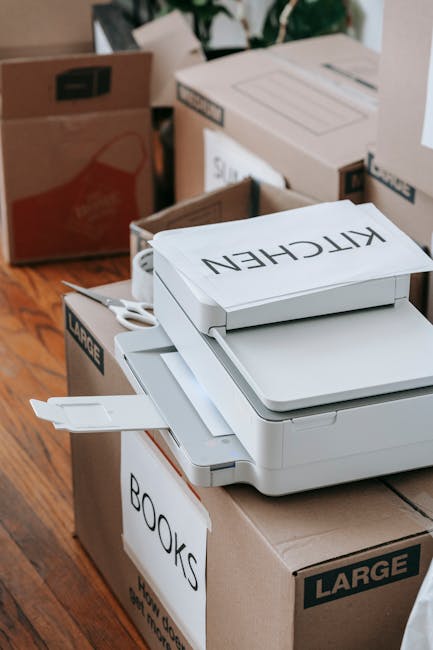
Office moves can look straightforward on paper, and then suddenly there are cables everywhere, someone cannot find the kettle, and the printer is sitting in the wrong room with no one quite sure who packed the toner. That is the reality for many small businesses. A well-built Small Business Moves: Watford Office Relocation Checklist helps you stay calm, keep work moving, and avoid the sort of mistakes that turn a simple relocation into a messy week.
Whether you are shifting from a compact serviced office, a shared workspace, or a small unit that has simply outgrown itself, the aim is the same: move efficiently, protect equipment, and reopen without chaos. In this guide, you will find a practical plan for office relocation in Watford, from early planning and packing to post-move setup, with sensible local context and a few hard-earned lessons along the way.
Why Small Business Moves: Watford Office Relocation Checklist Matters
A business relocation is never just about moving desks. It touches productivity, customer service, file security, IT, staff morale, and cash flow all at once. If one part slips, the effects spread quickly. A missing internet connection on day one, for example, can stall sales, delay invoices, and create a scramble that everyone feels.
For small businesses in Watford, this matters even more because many teams operate with lean staffing and limited downtime. You may not have a dedicated facilities team or an external project manager. So the checklist becomes your project manager, your memory, and your calm voice all in one. Not glamorous, but very effective.
Watford is also a place where office moves often involve a mix of local roads, parking considerations, building access rules, and tight schedules. That means planning is not optional. If you have ever tried to manoeuvre a van into a narrow street at 8:30 on a weekday, you will know what I mean. It is not impossible. It just needs forethought.
There is also the human side. Staff need clarity. Customers need continuity. Suppliers need to know where to send deliveries. A structured relocation checklist helps everyone understand what is happening and when. That alone can reduce stress quite a bit.
If your move includes commercial equipment, archive boxes, or a large amount of furniture, it can help to review related services such as office relocation services and commercial moves so you can match the support to the scale of the job.
How Small Business Moves: Watford Office Relocation Checklist Works
The checklist works best as a phased plan rather than a single document you glance at once and forget. Think of it in stages: early decisions, preparation, packing, move day, and aftercare. Each stage has a different purpose, and each one has a few non-negotiable tasks.
In practice, the checklist should answer five questions:
- What is moving?
- Who is responsible for each task?
- When does each step need to happen?
- What could go wrong if it is left too late?
- How will the business keep operating during the move?
That last question is the one people often miss. A relocation is not only about transport. It is about continuity. You might need temporary storage for surplus items, support with dismantling and reassembly, or help moving heavier items safely. In that case, services like packing and unpacking services and removal truck hire can make the process less frantic.
A good checklist also assigns responsibility. For example, one person handles IT, another manages documents, another confirms building access, and someone else checks final cleaning. If every task belongs to everyone, then oddly enough it belongs to no one. That is how the loose ends appear.
The best approach is simple: map the move backwards from your first day in the new office. Work out what must be complete the day before, the week before, and the month before. Then build the checklist around those deadlines.
Key Benefits and Practical Advantages
A well-planned office relocation checklist is useful for much more than organisation. It has practical benefits that show up immediately and again weeks later, once the dust has settled.
- Less downtime: when equipment, internet, and desks are ready on time, staff can return to work faster.
- Lower risk of damage: careful labelling and packing reduces breakages and lost items.
- Better staff confidence: people are calmer when they know what is happening and what they need to do.
- Cleaner cost control: planning prevents last-minute rentals, rushed bookings, and duplicated effort.
- Improved client communication: customers receive consistent updates instead of random delays.
There is also a subtle but important benefit: a relocation checklist gives you a chance to tidy up the business itself. Old paperwork gets reviewed, surplus furniture gets removed, and outgrown systems get replaced. A move can be a reset. A slightly annoying reset, perhaps, but still a useful one.
Sometimes a move also highlights what you do not need to bring with you. If that includes old tables, cabinets, or unused desks, a service like furniture pick-up can be a practical way to clear space before the handover. You will notice the office feels lighter once the clutter goes.
Who This Is For and When It Makes Sense
This guide is aimed at small businesses that need a structured way to move offices in or around Watford. It is especially useful if you are running a team of fewer than 25 people, but the approach works just as well for slightly larger groups where budgets and time are still tight.
It makes sense if you are:
- moving from one Watford office to another;
- moving into a more professional space after working from home;
- downsizing after a restructure;
- expanding and need a bigger base;
- combining two small offices into one;
- relocating client-facing work that cannot stop for long.
It is also useful if your move includes a mixture of office furniture, stock, archive materials, and tech. That mix is common in small firms, and it is where the planning matters most. A few boxes of documents are one thing. A server, two monitors, a cash drawer, a reception desk, and six plants that someone has become emotionally attached to? That is another story.
If your move is particularly light and you only need one vehicle and a couple of hands, a flexible option such as a man and van or man with van may be enough. For larger or more complex moves, a proper moving truck often makes more sense.
Step-by-Step Guidance
Below is a practical sequence you can follow. It is written for real businesses, not ideal ones. If your office is already busy, start where you are and work forward.
1. Define the scope of the move
List everything that is moving: furniture, IT equipment, files, shelving, decor, stock, and specialist items. Decide what stays, what goes, and what gets disposed of. Do not guess. Walk through the office and write it down.
In many small business moves, the hidden time sink is not the transport. It is the sorting. A chair may look harmless until someone realises it does not fit in the new room or the reception desk is too wide for the lift. Best to know early.
2. Choose your move date carefully
Pick a date that reduces disruption. Avoid the busiest trading periods if you can. If your business works with daily customer deadlines, allow a buffer around the move. A Friday move can work well if your team is ready for a Monday restart, though it depends on access and building rules.
3. Notify the right people
Give staff, clients, suppliers, landlords, and service providers clear notice. Confirm forwarding addresses, delivery changes, and any temporary contact arrangements. A simple internal email is usually not enough on its own. You want a short action list, not a vague heads-up that gets skimmed and forgotten.
4. Review access and parking
Check loading arrangements at both properties. Confirm lift access, width restrictions, entry codes, and any time limits for vehicles. In Watford, as in most busy areas, parking can shape the whole move. One badly placed vehicle and suddenly everyone is waiting around looking at the pavement. Not ideal.
5. Back up and prepare IT systems
Back up data before disconnecting equipment. Photograph cable setups, label chargers, and check that software licences or logins are safely stored. If your team depends on email, telephone systems, or cloud access, make sure those services will be live at the new site. This is one of those boring jobs that saves the day later.
6. Pack by department or function
Pack in a way that makes unpacking easy. Label boxes by room, department, and priority. Use colour coding if it helps. Put essential items in a separate "first day" box: chargers, scissors, keys, basic stationery, tea bags, tape, and anything else that will save the morning. Honestly, the kettle matters more than people admit.
7. Arrange transport and handling support
Select the right vehicle and labour for the size of the move. If you are moving desks, chairs, and boxed files, a standard van may be enough. If you have multiple floors, heavy furniture, or a tight schedule, a larger vehicle can save time and reduce trips. You can also look at moving truck options if the move has more volume than you first expected.
8. Prepare the new office before arrival
Check that cleaning, utilities, internet, power, and access arrangements are complete. If possible, mark where key items should go. Even a basic floor plan helps. When boxes arrive, the team should not spend the first hour debating where the filing cabinet lives.
9. Move in priority order
Bring in essential items first: IT, phones, desks, critical documents, and any customer-facing equipment. Non-urgent items can follow after. The idea is to make the business operational as early as possible, even if the office still looks a bit boxy.
10. Test, review, and tidy up
Once in, test internet, phones, printers, door access, and any shared systems. Then walk the space room by room. Check for damage, missing items, and anything that needs adjusting. Keep a note of issues while they are fresh. The first day is not for perfection. It is for function.
Expert Tips for Better Results
Small business moves go better when you keep the process boring in the best possible way. Predictable. Labelled. Measured. Here are a few practical tips that tend to make a real difference.
- Start earlier than you think you need to. Most moves are underestimated at the planning stage.
- Use one master checklist. Do not spread tasks across ten disconnected notes.
- Photograph setups before dismantling. Cable photos can save a surprisingly large amount of time.
- Keep one person in charge on move day. Decisions go faster when there is a single point of coordination.
- Label boxes on at least two sides. When they are stacked, one side always disappears from view. Always.
- Protect awkward items properly. Monitor screens, framed signs, and glass tops need extra care.
If you are moving from a small office with surplus furniture, it can be worth clearing first and moving second. That sounds obvious, but it is often skipped. A slimmer load is easier to plan, cheaper to shift, and simpler to unpack. If you are still deciding what to keep, a quick consultation about office relocation services can help shape the process around your actual needs rather than a hopeful estimate.
And one more thing: keep snacks and water available. It sounds trivial. It is not. On a long moving day, small comforts keep people moving and make the whole thing feel a bit less grim.
Common Mistakes to Avoid
A lot of office move problems come from a handful of repeated mistakes. If you avoid these, you will already be ahead of the pack.
- Leaving IT until the last minute: internet and devices are not "quick jobs" once the room is full of boxes.
- Not measuring furniture: a desk that fits on paper may not fit through the actual doorway.
- Failing to assign owners: unclear responsibility leads to gaps, and gaps become delays.
- Packing without labels: unlabeled boxes slow everything down later.
- Ignoring the new office layout: if nobody knows where anything goes, the unpacking stage becomes a shuffle.
- Underestimating cleaning and waste removal: old files, broken chairs, and leftover items need a plan too.
One common issue that catches teams out is assuming the move itself is the hard part. It is not always. Often the hard part is what happens before and after: disassembly, access arrangements, unpacking, and reassembly. The truck is only one chapter.
If you are changing premises and need to clear out office furniture or bulky items, thinking ahead about furniture disposal or collection can save the last-day panic. It is one of those little jobs that feels minor until it suddenly is not.
Tools, Resources and Recommendations
You do not need complicated software to move well, but a few simple tools help a lot. The best setup is usually a mix of a shared checklist, labels, floor plans, and a timetable everyone can understand.
| Tool or resource | Why it helps | Best use |
|---|---|---|
| Master move checklist | Keeps tasks visible and trackable | Overall project control |
| Room labels and colour codes | Makes unpacking much faster | Box sorting and placement |
| Floor plan sketch | Reduces guesswork on arrival | Furniture placement |
| Equipment inventory | Helps prevent missing items | IT and asset tracking |
| Move-day contact list | Speeds up decisions | Staff, suppliers, and building access |
As for moving support, the right choice depends on scale. A smaller team with a light load may just need a local van and a couple of careful hands. If the load is heavier, a dedicated removal truck hire arrangement can give you more capacity and fewer trips. That can make a real difference when time is tight.
It can also help to browse related services if your move overlaps with home-based staff, temporary storage, or household items being shifted at the same time. For instance, the site also covers home moves and house removalists, which may be useful if your staff are moving their home office setups alongside business equipment.
Law, Compliance, Standards, or Best Practice
Office relocation is not usually a heavily regulated activity in itself, but there are still sensible legal and practical duties to consider. The exact requirements will depend on your business, your premises, and the type of equipment involved.
At a minimum, you should think about:
- Health and safety: lifting heavy items, moving boxes, and using trolleys all need care and common sense.
- Fire safety: the new office should have safe access, clear exits, and suitable arrangements for escape routes.
- Data protection: confidential files and devices should be packed and handled securely.
- Insurance: check whether your business cover applies during transit and at the new address.
- Lease or building rules: many premises have specific move times, access instructions, or reinstatement obligations.
Best practice matters here. For example, if staff are lifting awkward boxes, plan the move so heavier items are handled with proper equipment and enough people. Do not make someone carry a filing cabinet because they "looked strong." That is a bad system and a worse joke.
For businesses handling customer documents, financial papers, or confidential records, secure packing and clear chain-of-custody habits are important. Keep key files with named owners and avoid mixing sensitive items into general office boxes. A little discipline goes a long way.
Options, Methods, or Comparison Table
Different small business moves need different setups. The right method depends on volume, time pressure, access, and how much responsibility you want to take on internally.
| Approach | Best for | Pros | Trade-offs |
|---|---|---|---|
| DIY with internal staff | Very small loads and flexible teams | Lower direct spend, more control | Higher staff effort, more risk of delay or damage |
| Van hire with a few helpers | Moderate moves with manageable furniture | Flexible, practical, cost-conscious | Still needs planning, lifting, and coordination |
| Professional office move support | Busy relocations, heavy items, tight timelines | Less disruption, better handling, clearer process | Higher upfront cost, though often better value overall |
There is no single right answer. A two-person design studio does not need the same setup as a busy sales office with filing cabinets and hardware. The trick is choosing the method that fits your actual workload, not the one that sounds cheapest at first glance.
If you are unsure which moving setup suits your office, compare the scale of your furniture, the number of boxes, and how quickly you need to be operational again. Then choose from services such as man and van, moving truck, or full commercial moves support based on that reality.
Case Study or Real-World Example
Here is a realistic example. A small accountancy business in Watford moves from a cramped first-floor office into a better-located space nearby. The team has six people, a shared printer, archive boxes, three filing cabinets, and more cables than anyone wants to admit.
Instead of trying to move everything in one go with no plan, they split the work across three weeks. First, they audited what could be archived or disposed of. Then they labelled files by priority, photographed the IT setup, and assigned each team member a role. One person handled client records, one managed the printer and phones, another checked building access, and the rest packed desk items.
On move day, essential equipment arrived first. The internet was tested before lunch, and the team could answer emails by mid-afternoon. Not everything was perfect, of course. One chair ended up in the wrong room and somebody spent ten minutes looking for the spare paper rolls. But the move stayed orderly, which was the point.
What made the difference? Three things: early sorting, clear labels, and a realistic transport setup. It was not flashy. It was just well managed. And honestly, that is what most small businesses need.
Practical Checklist
Use this as a working checklist for your Watford office relocation. You can copy it into a task tracker or print it out and mark it by hand, which some teams still prefer. There is something satisfying about crossing things off, to be fair.
- Confirm move date, access times, and building rules for both locations.
- Assign a move lead and clear task owners for IT, packing, and coordination.
- Inventory all furniture, equipment, files, and supplies.
- Decide what will move, what will be stored, and what will be removed.
- Arrange any needed vehicle support or labour early.
- Back up digital data and secure logins, licences, and passwords.
- Photograph cable setups and label equipment before dismantling.
- Label boxes by room, department, and priority.
- Prepare a first-day essentials box with chargers, stationery, keys, and basic supplies.
- Notify staff, clients, and suppliers about address and contact changes.
- Check insurance, liability cover, and any lease-related obligations.
- Clean the old office and remove leftover furniture or waste.
- Confirm utilities, internet, and access at the new office.
- Set out furniture according to a floor plan if possible.
- Test internet, phones, printers, and other critical systems on arrival.
- Inspect both sites for damage, missing items, and final issues.
If you want the move to feel smoother, keep this checklist visible from the moment planning starts until the last box is opened. A checklist only works when people actually use it. Simple as that.
Get a free quote today and see how much you can save.
Conclusion
A successful office move is rarely about luck. It is about clarity, timing, and a checklist that reflects how small businesses actually work. When you plan properly, you reduce interruption, protect your equipment, and give your team a steadier start in the new space.
The best Small Business Moves: Watford Office Relocation Checklist is the one that helps you make decisions early, keep communication tidy, and avoid the last-minute scramble. That means sorting the load, assigning responsibility, and choosing the right moving support for the job in front of you.
If you are preparing a Watford relocation now, take it one step at a time. Start with the essentials, keep the process calm, and do not be afraid to clear out what no longer serves the business. A move can be tiring, yes, but it can also feel like a clean new beginning. And sometimes that is exactly what a small business needs.
Frequently Asked Questions
How far in advance should a small business start planning an office move?
Ideally, start as soon as the move becomes likely. For a small office, a few weeks may be enough for a very simple relocation, but longer is better if you have IT, furniture, or access issues to manage. Early planning gives you room to sort, label, and avoid panic.
What should be on a Watford office relocation checklist?
At minimum, your checklist should cover move dates, task owners, inventory, packing, IT backup, transport, access arrangements, staff communication, and post-move testing. The most useful checklists also include cleaning, waste removal, and a first-day essentials box.
Is it better to hire help or move an office ourselves?
That depends on the size and complexity of the move. Very small, light moves can sometimes be handled internally. If you have heavy furniture, a tight deadline, or a lot of equipment, professional help usually saves time and reduces stress.
How do I reduce downtime during an office relocation?
Move critical items first, back up data before disconnecting anything, and make sure internet and phone arrangements are ready at the new site. Clear labelling and a defined move lead also help a great deal. The goal is to restart work quickly, even if not everything is unpacked yet.
What should small businesses do with old office furniture they do not need anymore?
Sort it early. Some items may be reused, some may be stored, and some may need collection or removal. Clearing out surplus furniture before the move often makes the relocation cheaper and faster. It also stops unwanted clutter from following you to the new office.
Do I need special transport for office furniture and equipment?
Not always, but the right vehicle matters. A small load may work with a van, while larger furniture or multiple trips may justify a bigger vehicle. If you are unsure, compare volume, weight, and timing rather than guessing. Guessing is a poor moving strategy, usually.
How should confidential files be handled during a move?
Keep them organised, labelled, and under the control of named staff members. Avoid mixing sensitive files into general boxes if possible. If you handle client records or financial documents, treat them with extra care and make sure they remain secure throughout the process.
What are the most common office move mistakes?
The biggest mistakes are leaving IT too late, failing to measure furniture, forgetting to assign responsibilities, and packing without labels. People also underestimate cleaning, waste removal, and the time needed to unpack properly. Those are the bits that turn up and bite later.
Can a small office move be done over a weekend?
Yes, if the load is manageable and access is clear. Weekend moves can reduce disruption, but they still need careful planning, enough hands, and a realistic unpacking schedule. If the move is larger, a weekend may still help, but only if everything is ready in advance.
What is the best way to label office boxes?
Use the room name, department, and priority level on each box. If helpful, add a colour code. Label at least two sides so the writing is visible when boxes are stacked. It sounds basic, but it saves a surprising amount of time later.
Should we clean the old office before or after the move?
Usually both, in a sense. Remove all items first, then do a final clean and inspection before handover. That way you can see what is left behind and make sure nothing important has been missed. It is much easier to clean an empty space.
How can I make the new office ready on day one?
Check utilities, internet, access, and furniture placement before move day if possible. Set out a basic floor plan and make sure essential items arrive first. If the space is functional by lunch, you are already in a strong position.
When should I contact a moving company for a small business relocation?
As soon as your moving date feels real. That gives you time to compare options, ask questions, and choose the right level of support. If you need packing help, transport, or larger vehicle hire, it is better to arrange it early rather than rush at the end.