Terraced 3-Bed Win: Watford Alley Move Case Study
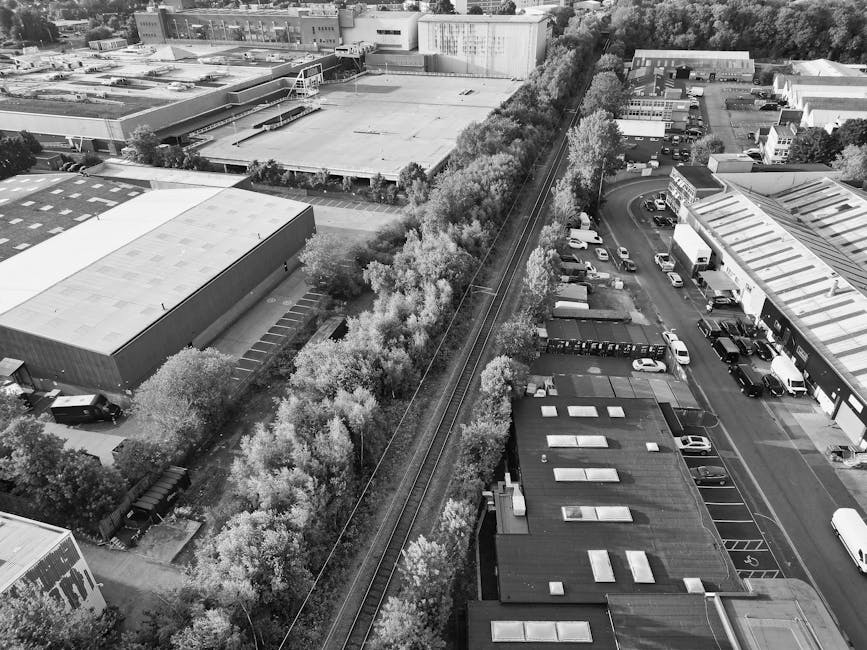
If you have ever looked at a terraced three-bed house and thought, "Right... how on earth does a removal team get furniture in and out of that?", you are not alone. The Terraced 3-Bed Win: Watford Alley Move Case Study is a useful way to understand how a tight-access move can be planned properly, handled calmly, and completed without turning the day into a scramble. In Watford, alleyways, side passages, shared access routes and narrow front steps are all part of the real moving picture.
This article breaks down what makes a terraced 3-bed alley move different, why it matters, how the process works, and what good preparation looks like in practice. You will also find a comparison of moving methods, a realistic example, a checklist, and practical advice that can help you make better decisions whether you are moving house, relocating a few rooms of furniture, or simply trying to avoid the classic "that sofa was never going through there" moment.
One thing is worth saying up front: a tight access move is not automatically a difficult move. It just needs clearer planning, a team that understands constraints, and the right vehicle and packing approach. That sounds simple, but in real life, it is where things are often won or lost.
Why Terraced 3-Bed Win: Watford Alley Move Case Study Matters
Terraced homes are brilliant in many ways. They often sit close to local shops, schools and transport, and they tend to have a more lived-in, neighbourly feel than newer builds. But when moving day arrives, those same features can create awkward access. Narrow side alleys, shared paths, limited frontage and tight parking all make the logistics more interesting. "Interesting" being the polite word.
This case study matters because it reflects a common moving scenario in Watford and similar UK towns: a three-bedroom terraced property that is perfectly liveable, but not especially generous on access. A move like this can expose weak planning fast. If the team is not prepared, the day can run late, items can be bumped, and the stress level climbs quickly. If the team is prepared, the move can feel surprisingly smooth.
For homeowners, tenants and landlords, the lesson is practical. Access is not a minor detail. It shapes everything from vehicle choice to packing order. It also affects whether you need a straightforward man and van service, a larger team, or a more structured home move with extra packing support. In some cases, a move that looks simple on paper ends up needing the same care as a much larger one.
Practical takeaway: If the route from house to vehicle is tight, the move should be planned around access first and volume second. That one change saves a lot of hassle.
There is also a customer-experience angle here. A tidy, well-ordered move with sensible communication feels calmer for everyone involved, including neighbours. On a narrow street or in a shared alley, that matters. Nobody wants to be blocking bins, doorways or a school run at half past eight on a weekday morning.
How Terraced 3-Bed Win: Watford Alley Move Case Study Works
The phrase "alley move" usually means the removal team cannot simply wheel everything directly from front door to truck with plenty of space to spare. Instead, they have to work with a narrower route, which may involve a side passage, rear access, a communal path, or a parking position that is not directly outside the property. Sometimes the vehicle must park farther away than you would like. That is normal. Slightly annoying, yes. But manageable.
In a terraced three-bed property, the move typically includes bedrooms, wardrobes, mattresses, boxes, soft furnishings, kitchen items, hallway clutter, and often a few awkwardly shaped things like mirrors, lamps, toy storage or garden bits. The key is sequencing. You do not want to keep shifting the same item around the house because the route is not ready. You also do not want heavy furniture moving before the fragile boxes are secure.
Here is how a good alley move usually works:
- Pre-move access check: The team confirms where the truck can park, how wide the access route is, and whether any turning or carrying restrictions need to be accounted for.
- Volume review: The property contents are assessed so the right size vehicle and crew are chosen. A bigger truck is not always better if the street is tight.
- Protection planning: Items are wrapped, boxed and labelled in a way that suits narrow movement and stacking.
- Load order: Heavier, sturdier items go first. Fragile and high-priority items are handled so they are easy to find at the other end.
- Controlled carry route: The removal team uses the safest route available, even if it is not the shortest route.
- Final placement: Furniture is delivered room by room, not dumped in a heap. Which, let's face it, is a small miracle on moving day.
If the move involves dismantling beds, wrapping wardrobes, or getting a bed frame through a narrow hallway corner, experienced house removalists are often worth considering. The value is not just strength; it is judgment. Knowing what can be moved intact, what should be taken apart, and what needs extra padding is a big part of the job.
A lot of people assume the truck is the hard part. In reality, the route between the home and the truck is often the real challenge. You can have the perfect vehicle and still have a messy move if the access plan is weak. That is the bit that separates a standard move from a genuinely well-managed one.
Key Benefits and Practical Advantages
A carefully managed terraced 3-bed alley move can save time, reduce damage risk, and make the entire day feel more controlled. The benefits show up in small but important ways. Less backtracking. Fewer awkward lifts. Better packing discipline. And a lower chance of that horrible sound when something scrapes a wall. You know the one.
- Better use of labour: When the route is planned, the team spends less time guessing and more time moving.
- Reduced risk of damage: Furniture is wrapped and carried with the access route in mind.
- Cleaner timing: Good planning helps avoid the creeping delay that often hits tight-access jobs.
- Less neighbour disruption: Efficient loading means less blocking and less noise hanging around all morning.
- Improved unpacking: Labelled boxes and room-based loading make it much easier to settle in later.
For families, the biggest benefit is usually emotional rather than technical. If the children are already tired, or the kettle has been packed somewhere mysterious, a move that feels orderly can make the whole day much more bearable. Tiny comfort, but it matters.
There is also flexibility. A move like this can often be tailored using man with van support if the load is smaller, or a larger truck-based setup if there is more furniture than first appears. Three-bed homes can be deceptive. They look manageable until the spare room, loft overflow and garden storage all get counted properly.
Expert summary: The real advantage of a Watford alley move is not just getting possessions from A to B. It is proving that a narrow, awkward route can still be handled with calm, safe and sensible methods.
Who This Is For and When It Makes Sense
This kind of move is especially relevant if you live in a terraced property, a mid-terrace with rear access, a home on a narrow road, or a street where parking is always a little competitive. It also makes sense if you are moving from a house with limited frontage, or from a place where the only sensible route is through a side passage.
It is a good fit for:
- Families moving from a three-bedroom terraced home
- Homeowners dealing with tight street access
- Tenants needing a reliable local move in Watford
- Landlords arranging turnover moves between occupants
- People who need furniture moved carefully through narrow access points
It may also suit anyone who wants a more direct moving setup without committing to a full-scale relocation package. For instance, if most items are already boxed and the main issue is getting them out safely, a simpler service may be enough. In that case, browsing options like home moves or even removal truck hire can help you decide what level of support makes sense.
On the other hand, if the property contains a lot of fragile furniture, awkward wardrobes or family-sized household contents, a fuller setup can be the smarter choice. You want the team to match the move, not force the move to match the team. Small but important difference.
Step-by-Step Guidance
Here is a practical way to approach a terraced 3-bed alley move so the day stays under control. It is not fancy. It just works.
1. Assess the access properly
Walk the route from each exit point to the vehicle space. Check gate widths, steps, corners, low walls, hanging baskets, bins and anything else that may snag or slow the move. If the access route feels tight to you, it will feel tight to a sofa.
2. Decide what needs dismantling
Beds, large wardrobes and some dining furniture may be easier to move in parts. Dismantling saves stress later, but only if screws and fittings are bagged and labelled clearly. Nobody wants to reassemble a bed at 10:30 p.m. with a missing bolt and a tired face.
3. Pack by priority, not just by room
Think about what you will need immediately after arrival. Kettle, chargers, bedding, toiletries, basic tools. Keep these easy to find. If you have ever lived through the first night in a new house with no bedding and no mugs, you will understand why this matters.
4. Choose the right vehicle and crew size
A larger truck might be ideal for volume, but a more compact setup can be better on a tight street. This is where experienced local movers make a real difference. If the move is mostly furniture with a few boxes, a service such as moving truck support may be appropriate. If the access is tricky and loading time matters, size and manoeuvrability both need to be considered carefully.
5. Load in a sensible order
Heavy, robust items go in first. Delicate items and essentials go where they can be found easily. Loading is not just about fitting everything in; it is about making the unloading process feel logical. It is one of those jobs that looks simple until you are standing there with a mattress in one hand and three box labels that all say "misc".
6. Protect the route and the property
Use blankets, floor protection and careful handling around corners and door frames. On a terraced move, the route is often the risk point. A scuffed wall or chipped stair edge can be avoided with a bit of patience and the right materials.
7. Finish with room-by-room placement
At the new home, put items where they belong rather than in a single central pile. That sounds obvious, but on a long day people often stop asking for the "quick" solution. A room-by-room unload helps you start living in the house sooner, which is the whole point really.
Expert Tips for Better Results
In our experience, the best alley moves are the ones where everyone understands the plan before the first box is lifted. Not glamorous. Very effective.
- Photograph awkward access points beforehand: A quick picture of the alley, gate, or side path helps the team judge the route in advance.
- Measure the largest items: Sofa width, mattress size, wardrobe height. Do not guess if you can avoid it.
- Separate essentials early: Keep a "first night" bag aside with the things you do not want buried in a van.
- Label rooms clearly: Good labels save time and reduce confusion, especially when the new home has similar room sizes.
- Watch the weather: A wet alley or damp pavement changes handling. British weather being British weather, that is worth factoring in.
One small but useful tip: if the street is busy, give yourself a little extra buffer before the team arrives. Ten minutes to move cars, unlock gates, or clear a path can make the whole morning feel calmer. A rushed start often snowballs, and nobody needs that.
Another tip is to be honest about clutter. The spare room full of "temporary" storage? Count it. The boxes in the shed? Count them too. You are better off overestimating a little than pretending the house contains fewer things than it does. We have all done that. It is a classic.
Common Mistakes to Avoid
A lot of move-day problems are not dramatic mistakes. They are small planning gaps that pile up. The good news is that most of them are avoidable.
- Underestimating access: A route that looks fine from a doorway can still be too tight for a large item.
- Packing without labels: If everything is a mystery box, unloading takes longer and feels messier.
- Leaving dismantling too late: Beds and wardrobes should not be tackled while the van is waiting.
- Choosing the wrong vehicle size: Too big can be awkward; too small can mean extra runs and extra stress.
- Forgetting protective materials: Blankets, wrap and tape are not optional decoration.
- Ignoring parking realities: If the truck cannot stop close enough, the carrying distance matters more than you think.
There is also a mindset mistake: assuming the move should happen exactly the way you imagined it. Sometimes the cleanest solution is to change the loading order, shift the truck position, or carry a piece via a different route. Flexibility is part of the skill.
If you need a service that handles both transport and practical loading without fuss, the broader man and van option can be a sensible middle ground for certain jobs. For larger or more structured moves, a fuller household service may fit better.
Tools, Resources and Recommendations
You do not need a van full of fancy kit to manage a terraced move well. But a few practical tools do make life easier.
- Furniture blankets: Useful for protecting wood, painted finishes and polished surfaces.
- Stretch wrap: Helps keep drawers closed and cushions protected during transit.
- Labels and marker pens: Basic, cheap, and very effective.
- Tool kit: A screwdriver, Allen keys and small zip bags for fittings are worth having handy.
- Floor protection: Especially useful when the route includes narrow hallways or older flooring.
- Measuring tape: Helpful for checking awkward furniture and entrance widths before the move.
For larger household jobs, it can also help to combine moving support with packing support. If you are short on time, or if you would rather not spend your evenings wrapping plates and hunting for tape, packing and unpacking services can remove a lot of pressure. The difference is not just convenience; it is often a cleaner, safer move.
If the move includes a few larger pieces that need collecting separately, furniture pick up may also be useful as part of the wider moving plan. That can be a neat solution if you are not taking every item with you.
Law, Compliance, Standards and Best Practice
For a domestic move like this, the main concern is not legal complexity. It is careful handling, safe loading, and sensible respect for neighbours, shared spaces and property access. That said, professional moving work in the UK still follows recognised best practice around safe lifting, secure loading, suitable vehicle use and duty of care to belongings during transit.
On a practical level, that means moving teams should consider:
- safe manual handling rather than rushed lifting
- avoiding unnecessary damage to walls, doors and floors
- storing and carrying items in a way that reduces breakage risk
- keeping access routes clear where possible
- being mindful of parked vehicles, neighbours and public space
If the move affects a shared alley, entrance or public pavement space, common sense matters. You may need to coordinate carefully so the route remains usable and no one is blocked in for long. Different streets have different realities, and local parking conditions can change the plan quite a bit.
Where a business move is involved, different considerations apply. Office contents, equipment and timing create their own risks, which is why services such as commercial moves and office relocation services exist as separate categories. A domestic alley move is usually simpler, but it still benefits from the same disciplined mindset.
For service transparency and customer confidence, it is also sensible to review company information such as about us, contact us, privacy policy and terms and conditions. Clear policies do not move boxes, of course, but they do help set expectations. And that helps everyone.
Options, Methods and Comparison Table
Not every terraced 3-bed move needs the same setup. The right choice depends on access, volume, time pressure and how much help you want on the day.
| Approach | Best for | Strengths | Trade-offs |
|---|---|---|---|
| Man and van | Smaller household loads, quick local moves, lighter furniture | Flexible, often practical for tight access, easy to coordinate | May not suit large full-house loads or heavy packing demands |
| House removal team | Full three-bedroom moves, more furniture, more boxes | More structured, better for larger homes and planning-heavy days | Can be more than you need for a light load |
| Truck hire only | People with their own labour or very specific moving arrangements | Useful for transport if you already have the rest covered | Less support on loading, route handling and heavy lifting |
| Packing plus move support | Busy families, time-poor households, fragile contents | Less stress, better protection, faster unpacking | More comprehensive, so it may not be necessary for every move |
To be fair, the "best" method is rarely the flashiest one. It is the one that fits the access route and the actual load. That is the whole game here.
Case Study or Real-World Example
Here is a realistic example based on the kind of move this topic describes. A family in a Watford terraced three-bed needed to move from a property with a narrow rear alley and limited parking at the front. The main challenge was not just the volume of belongings, but the route from the house to the vehicle. Large furniture had to pass through a narrow interior hall, out via the rear access, and into a truck parked a little farther away than ideal.
The team handled the move by checking the access route in advance, identifying which items needed dismantling, and deciding how to load for faster unloading later. Beds were broken down, mirrors were wrapped, and boxes were grouped by room. The move itself was steady rather than frantic. A couple of awkward turns needed extra care, naturally, but the work stayed controlled because the route had been thought through beforehand.
What made the difference was not brute force. It was sequence. The team avoided sending large furniture through the tightest part of the house until the route was clear. They also kept the essential boxes near the end of the load so the family could settle the first night without digging through every item they owned. A small thing, maybe. But at the end of a moving day, small things feel big.
That sort of outcome is why proper planning matters. It turns a move that could have become chaotic into a manageable day. Not perfect, because moving days never are. But manageable. And honestly, that is often the win people need.
Practical Checklist
Use this checklist before a terraced alley move. It is simple, but simple is good when the day already has enough moving parts.
- Confirm where the vehicle can park
- Measure the narrowest access points
- Check whether any items need dismantling
- Label boxes by room and priority
- Prepare blankets, wrap, tape and bags for fittings
- Set aside essentials for the first night
- Clear the route through the house and alley
- Warn neighbours if access may be busy
- Protect floors, corners and door frames
- Keep keys, documents and chargers separately
Quick reminder: if you can make the route easier before the first item is lifted, the whole day feels better. That is often the difference between "stressful" and "steady".
Conclusion
The Terraced 3-Bed Win: Watford Alley Move Case Study shows that a tight-access house move does not need to be a headache. With the right preparation, sensible vehicle choice, careful packing and a team that understands the quirks of terraced housing, even a narrow alley move can be handled calmly.
The wider lesson is simple enough. Do not judge the move by the floorplan alone. Judge it by access, route, load and timing. Once those are clear, the rest becomes much more manageable. And when a moving day feels manageable, everything else gets easier too.
If you are planning a similar move and want help choosing the right level of support, take a look at the available home-moving options, compare the practical services, and choose the setup that suits your route rather than forcing the route to suit the move. Get a free quote today and see how much you can save.
Sometimes the best move is the one that looks unremarkable from the outside. Quietly organised. Smooth at the edges. Done before the kettle's even found its place.
Frequently Asked Questions
What is a terraced 3-bed alley move?
It is a move from a three-bedroom terraced property where access is limited by a narrow side passage, rear alley, shared path or similar tight route. The key challenge is getting furniture and boxes safely between the home and the vehicle.
Why is alley access such a big deal on moving day?
Because access affects carrying distance, speed, vehicle choice and the risk of damage. A route that looks manageable can still be awkward for larger furniture, especially when corners, gates or steps are involved.
Do I need a full removal team for a terraced house move?
Not always. Smaller loads may work well with a man and van setup, while fuller three-bedroom moves often benefit from a more structured household removal service. It depends on the volume, access and how much help you want.
Should large furniture be dismantled before the move?
Usually, yes, if it helps the item fit more safely through narrow access points. Beds and some wardrobes are common examples. Just make sure fittings are bagged and labelled so reassembly is not a guesswork exercise later.
How do I know if my alley is too narrow?
Measure the tightest point and compare it with the size of your largest items. If you are unsure, photograph the route and speak to the moving team before the day. A quick assessment can prevent a lot of awkward lifting later.
What should I pack separately for first-night access?
Keep essentials such as toiletries, chargers, bedding, a kettle, basic snacks and any important documents easy to reach. When you arrive tired, that little bag can feel like gold.
Is parking usually a problem on Watford terraced streets?
It can be, depending on the road and the time of day. That is why planning the vehicle position in advance matters. Even a short extra carrying distance changes the pace of the move.
Can a moving truck still work on a tight-access property?
Yes, but the truck size and parking position need to suit the street. In some cases, a more compact vehicle or a different load plan is more practical than simply choosing the biggest option available.
How can I reduce damage risk in a narrow access move?
Use protective blankets, wrap fragile surfaces, keep routes clear and avoid rushing through corners. A careful, slower lift is usually much safer than trying to force something through a tight gap.
What if I have extra furniture to get rid of?
If you have items that are not going to the new home, arranging a separate furniture pick-up can help keep the main move cleaner and more efficient. It is often easier than loading everything into one day and sorting it later.
Are packing services worth it for a three-bed terraced move?
For many people, yes. Packing support can save time, reduce breakages and make unpacking far more straightforward. It is especially useful if you are working around a tight route and want the day to stay organised.
What is the biggest mistake people make with alley moves?
Underestimating the access route. People often focus on the number of boxes and forget that the narrow passage, parking distance or awkward corner is what really shapes the job.
How far in advance should I plan a Watford alley move?
As early as you reasonably can. Even a basic access check, a rough inventory and a quick conversation about vehicle size can make the day much smoother. A little prep goes a long way.
If you are still weighing up the best option, start with the route, then the load, then the service level. That order saves plenty of second-guessing, and a few headaches too.